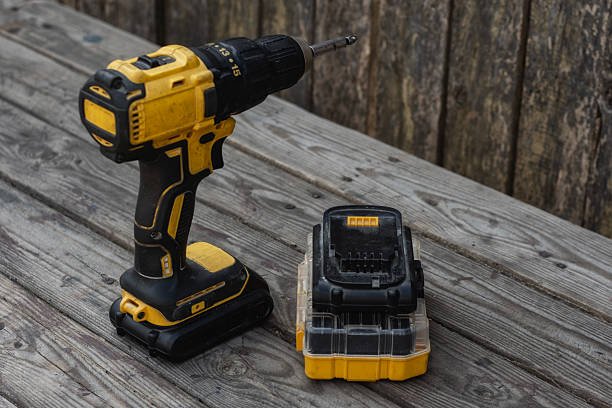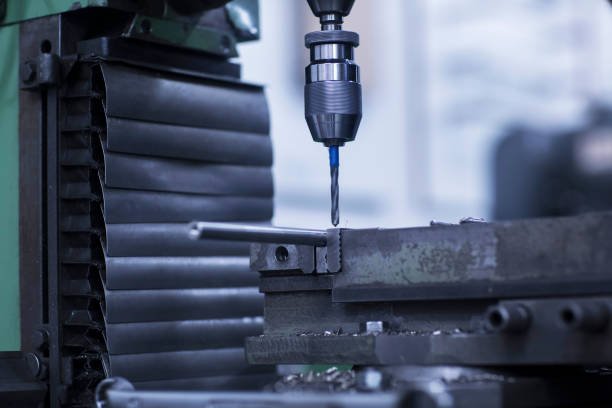
Learn how to choose the best drill press for your workshop. Discover drill press types, motor power, swing size, spindle travel, speed settings, table features, and buying tips in this complete drill press buying guide.
How to Choose a Drill Press Without Regretting Your Purchase
There comes a point in every man’s journey with tools when a handheld drill simply isn’t enough.
You’ve built shelves. You’ve assembled furniture. You’ve repaired things around the house. Then one day you need perfectly straight holes. Maybe you’re building a workbench, restoring an old motorcycle, crafting furniture, fabricating metal brackets, or creating precise woodworking projects. Suddenly you realise that no matter how steady your hands are, a cordless drill has its limitations.
That’s where a drill press earns its place in a workshop.
A drill press is one of those tools that many people overlook until they use one for the first time. Then they wonder how they ever managed without it.
The challenge is choosing the right one.
Walk into a tool supplier or browse online and you’ll find compact bench-top models, large floor-standing machines, woodworking drill presses, metalworking drill presses, variable-speed models, laser-guided systems, and machines ranging from under £100 to well over £2,000.
The good news is that choosing the right drill press isn’t nearly as complicated as manufacturers sometimes make it seem.
In this guide, I’ll walk you through everything you need to know before spending your money. We’ll cover the specifications that actually matter, the features worth paying for, the common mistakes buyers make, and how to select a drill press that will serve you faithfully for years to come.
By the time you’re finished reading, you’ll know exactly what size, type, and specification of drill press fits your workshop and your projects.
⸻
Why Buying the Right Drill Press Matters
A drill press does far more than simply drill holes.
It provides:
* Greater accuracy
* Improved safety
* Cleaner results
* Consistent hole depth
* Better control
* Increased productivity
* Reduced material waste
Imagine trying to drill twenty identical holes into a hardwood tabletop with a cordless drill.
You might get close.
With a drill press, every hole is perfectly positioned, perfectly straight, and exactly the same depth.
That level of precision makes a huge difference whether you’re building furniture, working on vehicles, fabricating metal parts, or completing household projects.
The right drill press can transform the quality of your work.
The wrong one can become a frustrating, underpowered machine that collects dust in the corner of the workshop.
⸻
What Is a Drill Press?
A drill press is a stationary power tool designed to drill precise holes using a vertically mounted spindle.
Unlike a handheld drill, the drill bit travels in a perfectly controlled up-and-down motion.
The main components include:
* Base
* Column
* Adjustable table
* Motor
* Spindle
* Chuck
* Feed handles
The workpiece remains stationary while the drill bit moves with precision through the material.
This design creates accuracy that’s nearly impossible to achieve consistently with a handheld drill.
⸻
Who Should Buy a Drill Press?
A drill press is ideal for:
DIY Enthusiasts
Perfect for:
* Home projects
* Furniture assembly
* Garage repairs
* Custom shelving
Woodworkers
Excellent for:
* Joinery
* Furniture making
* Cabinet construction
* Precision drilling
Automotive Hobbyists
Useful for:
* Brackets
* Mounting holes
* Restoration work
* Metal fabrication
Professional Tradespeople
Valuable for:
* Workshop fabrication
* Repetitive drilling tasks
* Commercial projects
If you frequently drill holes and value precision, a drill press is one of the most worthwhile workshop upgrades you can make.
⸻
Types of Drill Presses
Bench Drill Press
Bench-top drill presses sit on a workbench or dedicated stand.
Advantages
* Affordable
* Compact
* Space-saving
* Ideal for small workshops
Best For
* Homeowners
* DIY enthusiasts
* Hobby woodworking
* Light fabrication
Most home workshops are perfectly suited to a quality bench drill press.
⸻
Floor Standing Drill Press
These larger machines stand directly on the workshop floor.
Advantages
* Greater capacity
* Larger swing
* More power
* Increased stability
Best For
* Serious woodworking
* Professional workshops
* Large projects
* Metal fabrication
If you regularly work with large materials, a floor-standing model may be worth the investment.
⸻
Magnetic Drill Press
These specialised machines use powerful magnets to attach to steel surfaces.
Best For
* Structural steel work
* Industrial fabrication
* Commercial metalworking
Most homeowners will never need one.
⸻
Understanding Drill Press Size
One of the most misunderstood specifications is drill press size.
You’ll often see machines advertised as:
* 8-inch
* 10-inch
* 12-inch
* 15-inch
* 17-inch
Many people assume this refers to drill bit size.
It doesn’t.
⸻
What Is Swing?
Swing is the distance from the centre of the chuck to the column multiplied by two.
For example:
* 6-inch throat depth = 12-inch swing
The larger the swing, the larger the workpiece the drill press can accommodate.
Recommended Sizes
8–10 Inch
Good for:
* Small DIY projects
* Craft work
* Hobby workshops
12–15 Inch
Good for:
* General woodworking
* Furniture projects
* Home workshops
17 Inch+
Good for:
* Professional workshops
* Large fabrication projects
For most users, a 12-inch to 15-inch drill press offers the best balance of size and versatility.
⸻
Understanding Motor Power
Motor power directly affects what materials you can drill.
Common ratings include:
* 350W
* 500W
* 750W
* 1HP
* 1.5HP
* 2HP
⸻
Light-Duty Motors
Typically:
* 350W–500W
Suitable for:
* Softwood
* Plastics
* Basic DIY work
⸻
Medium-Duty Motors
Typically:
* 750W–1HP
Suitable for:
* Hardwood
* Aluminium
* General workshop use
This range is ideal for most homeowners.
⸻
Heavy-Duty Motors
Typically:
* 1.5HP–2HP+
Suitable for:
* Thick hardwoods
* Steel
* Professional workshops
More power becomes increasingly important when drilling large holes or tougher materials.
⸻
Spindle Travel Explained
Spindle travel determines how far the drill bit can move vertically.
This affects the depth of holes you can drill.
Common Travel Distances
* 50mm
* 60mm
* 80mm
* 100mm+
More spindle travel allows greater flexibility when working with thicker materials.
For most workshops, 80mm or more is highly desirable.
⸻
Why Speed Settings Matter
Different materials require different drilling speeds.
Wood generally uses higher speeds.
Metal requires lower speeds.
Large Drill Bits need slower speeds.
Small Drill Bits can operate at higher speeds.
⸻
Fixed Speed vs Variable Speed
Fixed Pulley Systems
Traditional drill presses use belt and pulley systems.
Advantages:
* Reliable
* Durable
* Lower cost
Disadvantages:
* Manual speed changes
⸻
Electronic Variable Speed
Modern machines allow speed adjustment using a dial.
Advantages:
* Faster adjustments
* Greater convenience
* Improved workflow
If your budget allows, variable speed control is a feature many owners appreciate.
⸻
Understanding the Chuck
The chuck holds the drill bit. Most drill presses use a 13mm Chuck
They are suitable for:
* General workshop use
* Most DIY projects
16mm Chuck
Suitable for:
* Larger drill bits
* Professional applications
A quality chuck should grip securely without excessive wobble.
⸻
Table Features Worth Paying For
The table is where your workpiece sits.
A better table often means better results.
⸻
Tilting Tables
Allow angled drilling.
Useful for:
* Joinery
* Furniture making
* Custom projects
⸻
Height Adjustment
Makes positioning materials easier.
Especially useful when working with varying material thicknesses.
⸻
Rack and Pinion Table Lift
Provides smooth, controlled table movement.
A valuable feature on larger machines.
⸻
Construction Quality Matters
Many buyers focus only on motor power. In reality, construction quality often matters more.
Here’s what to look for:
Cast Iron Components
Benefits include:
* Reduced vibration
* Improved stability
* Greater accuracy
Solid Columns
Help maintain alignment.
Precision Bearings
Improve drilling performance and longevity.
A heavier machine usually provides better drilling accuracy.
⸻
Common Mistakes People Make When Buying a Drill Press
Buying Too Small
Many people underestimate future projects.
A slightly larger machine often provides greater long-term value.
⸻
Ignoring Workshop Space
Measure your available space before purchasing.
Consider:
* Footprint
* Height
* Working clearance
⸻
Focusing Only on Power
Power matters.
Accuracy matters more.
A poorly built high-powered drill press is still a poor drill press.
⸻
Choosing the Cheapest Option
Budget machines can suffer from:
* Excessive vibration
* Poor alignment
* Low durability
* Weak motors
Investing slightly more often delivers significantly better performance.
⸻
Essential Safety Considerations
Drill presses are generally safer than handheld drills, but proper precautions remain essential.
Always wear:
* Safety glasses
* Hearing protection when necessary
* Appropriate footwear
Avoid:
* Loose clothing
* Gloves near rotating machinery
* Jewellery
* Long loose sleeves
Always secure your workpiece using:
* Clamps
* Machine vices
* Hold-down systems
Never attempt to hold small pieces by hand while drilling.
⸻
Step-by-Step Guide to Choosing the Right Drill Press
Step 1: Identify Your Main Projects
Ask yourself:
Will you primarily work with:
* Wood?
* Metal?
* Plastics?
* Mixed materials?
Your answer influences the specifications you’ll need.
⸻
Step 2: Decide Between Bench and Floor Models
Small workshop?
Choose a bench drill press.
Larger workshop?
Consider a floor-standing model.
⸻
Step 3: Select Appropriate Swing Capacity
For most users:
12–15 inches offers excellent versatility.
⸻
Step 4: Choose Motor Power
Recommended:
Light DIY
500W
General Workshop
750W–1HP
Professional Use
1.5HP+
⸻
Step 5: Check Spindle Travel
Look for:
* Minimum 80mm preferred
* Greater travel for thicker materials
⸻
Step 6: Evaluate Speed Range
A wider speed range means greater versatility.
Especially important if drilling both wood and metal.
⸻
Step 7: Examine Build Quality
Look for:
* Cast iron construction
* Stable base
* Precision chuck
* Quality bearings
⸻
Troubleshooting Common Drill Press Issues
Excessive Vibration
Possible causes:
* Unbalanced drill bit
* Loose mounting bolts
* Poor-quality machine
* Damaged bearings
⸻
Drill Bit Wander
Possible causes:
* Dull bit
* Improper centre punch
* Loose chuck
⸻
Burning Wood
Possible causes:
* Incorrect speed
* Dull bit
* Excessive pressure
⸻
Poor Hole Accuracy
Possible causes:
* Table misalignment
* Worn bearings
* Excessive spindle play
Regular inspection helps maintain precision.
⸻
Drill Press Maintenance Tips
A quality drill press can last decades when properly maintained.
⸻
Keep It Clean
After every project:
* Remove dust
* Brush away metal chips
* Clean the table
⸻
Lubricate Moving Components
Periodically lubricate:
* Feed mechanisms
* Rack systems
* Pivot points
Follow manufacturer recommendations.
⸻
Check Belt Condition
Inspect for:
* Cracks
* Fraying
* Wear
Replace belts before failure occurs.
⸻
Verify Alignment
Regularly check:
* Table squareness
* Chuck runout
* Spindle alignment
Precision depends on proper setup.
⸻
Useful Accessories Every Drill Press Owner Should Consider
The right accessories dramatically improve functionality. Recommended additions include:
* Drill press vice
* Clamping kit
* Forstner bit set
* Brad point drill bits
* HSS metal drill bits
* Hole saw kit
* Cross-slide vice
* Centre punch set
* Depth stop accessories
* Work lights
* Dust extraction solutions
These additions can transform a basic drill press into a highly capable workshop machine.
⸻
Frequently Asked Questions
Is a drill press worth buying for DIY projects?
Yes. A drill press provides significantly greater accuracy, consistency, and safety compared to handheld drilling for many workshop tasks.
⸻
What size drill press is best for a home workshop?
Most homeowners find a 12-inch to 15-inch drill press provides the ideal balance between capability and workshop space.
⸻
How much motor power do I need?
For most users, a 750W to 1HP motor is more than sufficient for woodworking, DIY, and general workshop use.
⸻
Can a drill press drill metal?
Yes. With the correct speed settings and drill bits, drill presses are excellent for drilling aluminium, steel, and other metals.
⸻
What’s better: bench-top or floor-standing?
Bench-top models suit most homeowners. Floor-standing models are better suited to larger workshops and more demanding projects.
⸻
Final Thoughts
A drill press isn’t just another machine in the workshop. It’s one of those tools that changes how you work. The first time you drill perfectly straight holes, repeat the same operation accurately twenty times, or complete a project with professional-looking precision, you’ll understand why experienced craftsmen rarely work without one.
For most homeowners and DIY enthusiasts, a well-built 12-inch to 15-inch drill press with a 750W to 1HP motor, adjustable speed settings, cast iron construction, and good spindle travel will provide years of dependable service.
Choose quality over flashy features. Focus on stability, accuracy, and build quality. Buy slightly larger than your current needs if space allows. Most importantly, think about the projects you want to tackle over the next five or ten years, not just the one sitting in front of you today.
A good drill press doesn’t just make holes. It helps you build better projects, develop new skills, and gain the confidence that comes from knowing you can create something properly with your own hands.