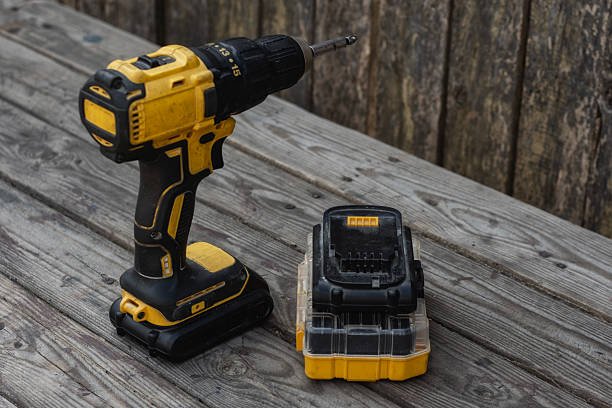
Learn how to choose the best cordless drill for DIY projects, home repairs, woodworking, and professional use. Discover battery types, voltage ratings, chuck sizes, drill features, and common buying mistakes in this complete cordless drill buying guide.
***
How to Choose the Right Cordless Drill Without Wasting Your Money
There are a few tools every man should own, whether he’s renting a small flat, maintaining a family home, restoring a classic car, building furniture, or simply handling life’s unexpected repairs. Near the top of that list sits the cordless drill.
A good cordless drill is one of the most versatile power tools you’ll ever buy. It can hang shelves, assemble furniture, drill through timber, drive screws into decking, build sheds, install curtain rails, and tackle hundreds of jobs around the home and garage.
The problem is that walking into a tool shop or browsing online can feel overwhelming. You’ll see drills ranging from £30 to over £400. Manufacturers throw around terms like brushless motors, lithium-ion batteries, torque settings, hammer functions, amp hours, and chuck sizes. Before long, you’re wondering whether you need a professional-grade drill or if a budget option will do the job.
If you’ve ever felt confused by the options, you’re not alone.
In this guide, I’ll walk you through exactly what matters when choosing a cordless drill, what features are worth paying for, what features are mostly marketing, and how to buy a drill you’ll still be happy using years from now.
By the end, you’ll know precisely what to look for and have the confidence to choose the right tool for your needs.
Why Choosing the Right Cordless Drill Matters
Many people make one of two mistakes:
1. Buying the cheapest drill available.
2. Buying far more drill than they actually need.
Neither approach is ideal.
A cheap drill often struggles with tougher materials, has poor battery life, lacks durability, and becomes frustrating to use.
On the other hand, spending hundreds on a professional contractor’s drill when you’re only hanging pictures twice a year doesn’t make much sense either.
The goal is finding the sweet spot:
* Enough power for your needs
* Reliable battery performance
* Comfortable handling
* Long-term durability
* Good value for money
A quality cordless drill should last many years when properly maintained.
What You’ll Need Before Buying
Before looking at specifications, ask yourself a few simple questions:
What jobs will I use it for?
Examples include:
* Building flat-pack furniture
* Hanging shelves
* Installing curtain poles
* DIY home improvements
* Decking projects
* Shed construction
* Woodworking
* Automotive repairs
* Professional trade work
How often will I use it?
Consider:
* A few times per year
* Monthly DIY projects
* Weekly use
* Daily professional use
What materials will I drill into?
Different jobs require different levels of power:
* Plasterboard
* Softwood
* Hardwood
* Metal
* Brick
* Masonry
* Concrete
The tougher the material, the more powerful your drill needs to be.
Understanding Cordless Drill Types
Standard Drill Driver
A standard drill driver handles:
* Drilling holes
* Driving screws
* General household tasks
For most homeowners, this is all you’ll ever need.
Best for:
* Furniture assembly
* Shelving
* Woodworking
* General repairs
Hammer Drill
A hammer drill adds a rapid hammering action while drilling.
This helps the bit break through tougher materials.
Best for:
* Brick walls
* Masonry
* Concrete blocks
If you’re regularly mounting items on exterior walls or brickwork, a hammer drill is worth considering.
Impact Driver
Many people confuse impact drivers with cordless drills.
While they look similar, they’re designed primarily for driving screws and fasteners.
Best for:
* Decking
* Timber framing
* Long screws
* Heavy-duty construction
Most homeowners should start with a cordless drill before buying an impact driver.
Understanding Drill Voltage
One of the first specifications you’ll notice is voltage.
Common options include:
* 12V
* 18V
* 20V (marketed rating)
* 36V
12V Drills
These are compact and lightweight.
Perfect for:
* Flat-pack furniture
* Basic DIY
* Tight spaces
* Light household work
Advantages
* Easy to handle
* Less fatigue
* Smaller size
* Lower cost
Limitations
* Less power
* Struggles with demanding tasks
18V Drills
For most homeowners, 18V is the sweet spot.
Suitable for:
* Home renovations
* Woodworking
* Decking
* Garden projects
* Most drilling tasks
An 18V drill can comfortably handle the vast majority of jobs around the home.
Higher Voltage Models
Professional users often choose:
* 36V systems
* Heavy-duty commercial tools
These are designed for demanding daily use rather than occasional DIY projects.
Understanding Battery Technology
Lithium-Ion Batteries
Today, almost every quality cordless drill uses lithium-ion batteries.
Benefits include:
* Lightweight
* Fast charging
* Long lifespan
* No memory effect
* Consistent performance
Avoid older battery technologies whenever possible.
What Does Amp Hour (Ah) Mean?
You’ll often see ratings such as:
* 2.0Ah
* 4.0Ah
* 5.0Ah
* 8.0Ah
Think of amp hours like a fuel tank.
A larger battery stores more energy.
Example
A 5.0Ah battery generally runs longer than a 2.0Ah battery before needing recharging.
Which Battery Size Should You Choose?
2.0Ah
Best for:
* Light DIY
* Furniture assembly
* Occasional use
4.0Ah
Best for:
* Home improvement projects
* Regular DIY
5.0Ah and Above
Best for:
* Tradespeople
* Heavy-duty use
* Extended runtime
For most homeowners, 4.0Ah batteries provide an excellent balance.
Brushed vs Brushless Motors
This is one of the most important decisions you’ll make.
Brushed Motors
Traditional design.
Advantages:
* Lower cost
* Proven reliability
Disadvantages:
* More heat
* Less efficient
* More wear over time
Brushless Motors
Modern design.
Advantages:
* Longer battery life
* More power
* Less maintenance
* Longer motor lifespan
If your budget allows, brushless technology is usually worth the investment.
Understanding Torque
Torque is rotational force.
Put simply:
Higher torque means more turning power.
This matters when:
* Driving long screws
* Working with hardwood
* Heavy construction projects
Many drills provide:
* Adjustable torque settings
* Clutch settings
These prevent overdriving screws and damaging materials.
Chuck Size Explained
The chuck holds the drill bit.
Common sizes include:
10mm Chuck
Suitable for:
* Light-duty tasks
* Basic drilling
13mm Chuck
Suitable for:
* Larger drill bits
* Greater versatility
* Professional applications
A 13mm chuck offers the most flexibility.
Important Features Worth Paying For
Variable Speed Trigger
Allows precise control.
Useful when:
* Starting holes
* Driving screws
* Working with delicate materials
Two-Speed Gearbox
Most quality drills offer:
Gear 1
* More torque
* Lower speed
Gear 2
* Higher speed
* Less torque
This greatly improves versatility.
LED Work Light
Helpful in:
* Lofts
* Garages
* Cupboards
* Under sinks
A surprisingly useful feature you’ll appreciate more than you expect.
Battery Level Indicator
Allows you to:
* Monitor charge
* Plan work better
* Avoid unexpected shutdowns
Common Mistakes People Make When Buying a Cordless Drill
Buying Based on Price Alone
The cheapest drill often becomes the most expensive when it needs replacing quickly.
Ignoring Battery Compatibility
Many manufacturers offer entire battery ecosystems.
For example:
If you buy one brand’s drill, you may later add:
* Impact drivers
* Circular saws
* Work lights
* Sanders
* Hedge trimmers
Using one battery platform saves money over time.
Choosing Excessive Power
More power isn’t always better.
An oversized drill can:
* Be heavier
* Cause fatigue
* Cost more
Buy for your actual needs.
Forgetting Ergonomics
Always consider:
* Grip comfort
* Weight
* Balance
A comfortable drill is safer and easier to use.
Safety Considerations
Before using any cordless drill:
Always wear:
* Safety glasses
* Appropriate footwear
* Hearing protection when necessary
Avoid:
* Loose clothing
* Jewellery
* Long sleeves near moving parts
Check:
* Drill bits are secure
* Batteries are properly fitted
* Workpieces are clamped when needed
A few seconds of preparation can prevent injuries.
Step-by-Step: How to Choose the Right Drill
Step 1: Define Your Main Jobs
Ask what will I realistically use this drill for?
Most people need:
* Furniture assembly
* Household repairs
* Shelving installation
Step 2: Choose Voltage
Light DIY
12V
General Home Use
18V
Professional Use
18V Brushless or Higher
Step 3: Select Battery Capacity
Recommended:
* 2.0Ah for occasional use
* 4.0Ah for regular DIY
* 5.0Ah+ for professional work
Step 4: Decide on Hammer Function
Need to drill brick?
Choose a hammer drill.
Only drilling wood and metal?
A standard drill driver is sufficient.
Step 5: Consider Future Tool Purchases
Think beyond today’s purchase.
Will you eventually want:
* Impact drivers
* Lawn tools
* Saws
* Sanders
Choose a platform that can grow with you.
Troubleshooting Common Drill Problems
Drill Losing Power Quickly
Possible causes:
* Old battery
* Extreme temperatures
* Poor charging habits
Drill Bit Slipping
Possible causes:
* Worn chuck
* Improper tightening
* Damaged bit
Excessive Heat
Possible causes:
* Overloading
* Continuous operation
* Dull drill bits
Allow the tool to cool periodically.
Cordless Drill Maintenance Tips
A good drill deserves proper care.
Keep It Clean
After each use:
* Remove dust
* Wipe surfaces
* Clean ventilation slots
Store Batteries Correctly
Avoid:
* Direct sunlight
* Damp environments
* Freezing temperatures
Store batteries in a dry location.
Inspect Regularly
Check:
* Chuck condition
* Battery contacts
* Trigger operation
* Drill bits
Small issues caught early prevent larger problems later.
Use Sharp Bits
A sharp bit:
* Drills faster
* Produces cleaner holes
* Reduces motor strain
* Extends battery life
Replace worn bits promptly.
Recommended Accessories Every Drill Owner Should Have
A cordless drill becomes much more useful when paired with the right accessories.
Consider adding:
* HSS metal drill bit set
* Wood drill bit set
* Masonry drill bits
* Screwdriver bit set
* Magnetic bit holder
* Countersink bits
* Hole saw kit
* Clamps
* Safety glasses
* Tool storage case
These accessories allow you to tackle a wider variety of projects with confidence.
Frequently Asked Questions
What is the best voltage for a cordless drill?
For most homeowners, an 18V cordless drill offers the best balance between power, runtime, and versatility.
Is a brushless drill worth the extra money?
Yes. Brushless drills typically provide longer battery life, greater efficiency, less maintenance, and a longer lifespan.
Do I need a hammer drill?
Only if you regularly drill into brick, masonry, or concrete. For general household tasks, a standard drill driver is usually sufficient.
How long should a cordless drill battery last?
A quality lithium-ion battery can often last several years with proper charging and storage practices.
Which is better: 2.0Ah or 4.0Ah batteries?
A 4.0Ah battery generally provides longer runtime and is often the better choice for regular DIY work.
Final Thoughts
A cordless drill isn’t just another tool sitting on a shelf. It’s often the first step toward becoming more capable, self-reliant, and confident when something around the house needs fixing, building, or improving.
The right drill doesn’t have to be the most expensive. It simply needs to match the jobs you’ll actually do. For most homeowners, an 18V brushless cordless drill with a lithium-ion battery, adjustable torque settings, and a reliable battery platform will provide years of dependable service.
Take your time, think about the projects you want to tackle, and buy with the future in mind. A good drill becomes more than a purchase. It becomes a trusted companion in the garage, workshop, and home, ready whenever a job needs doing.
And there’s a certain satisfaction that comes from reaching for your own tools, solving a problem yourself, and knowing you’ve done the job properly. That’s a skill worth investing in, and a quality cordless drill is one of the best places to start.